
Steel strip equipment project applications
The following are representative application scenarios for the lines JINYE engineers — cold rolling, strip cleaning, coil slitting and annealing line integration. Each configuration is developed from the customer's material and process parameters rather than a fixed template.
Four representative project starting points.
Each scenario below defines the parameters from which a project begins — material, gauge, width and process route. JINYE sizes the line from those figures. Provide your own, and we will work through a comparable configuration with your engineering team.
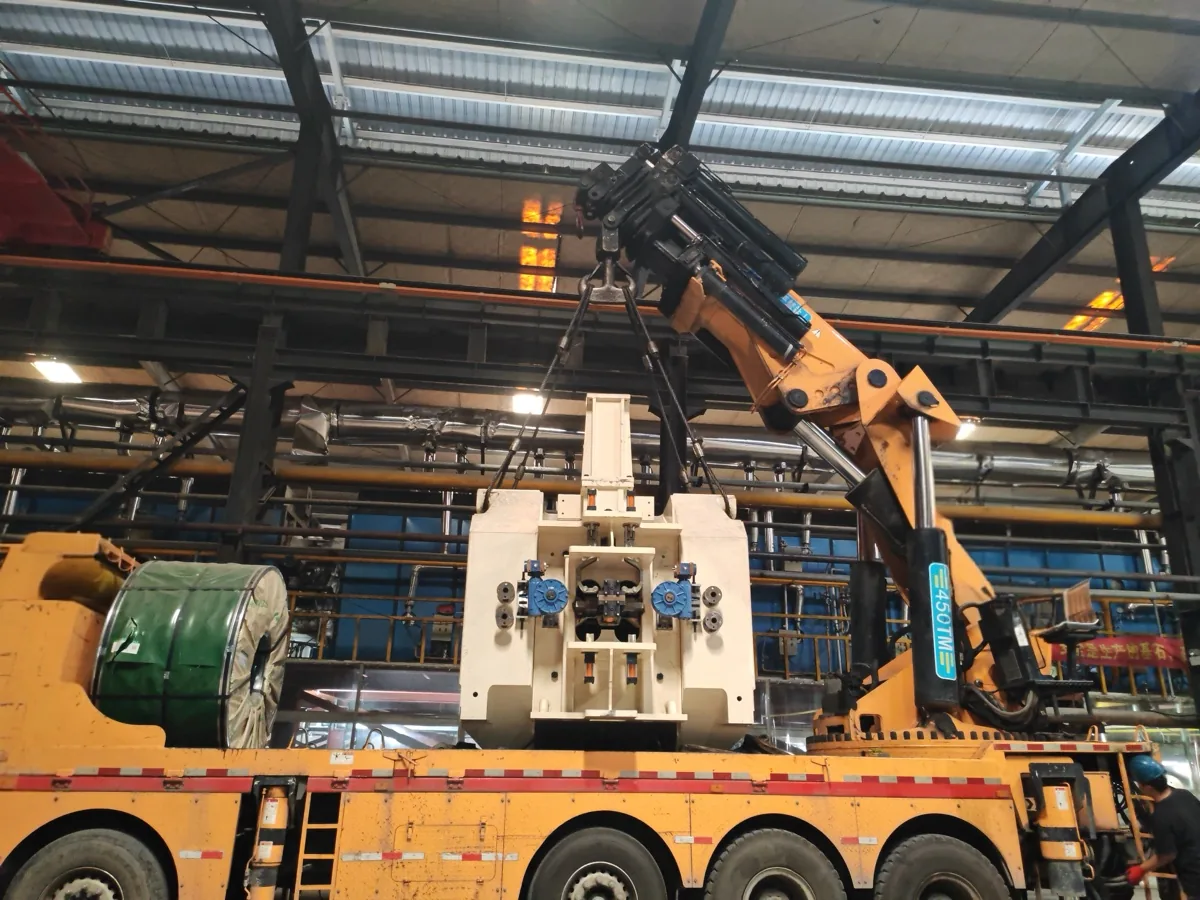
Precision cold rolling mill configuration
A plant rolling thin stainless or silicon strip begins from incoming and target thickness, strip width (350–1780 mm), grade and tolerance. For thin, hard gauge down to 0.03 mm, a 20-high Sendzimir configuration is specified; the roll system, drive and AGC/AFC scope are confirmed at engineering review.
Discuss a similar project →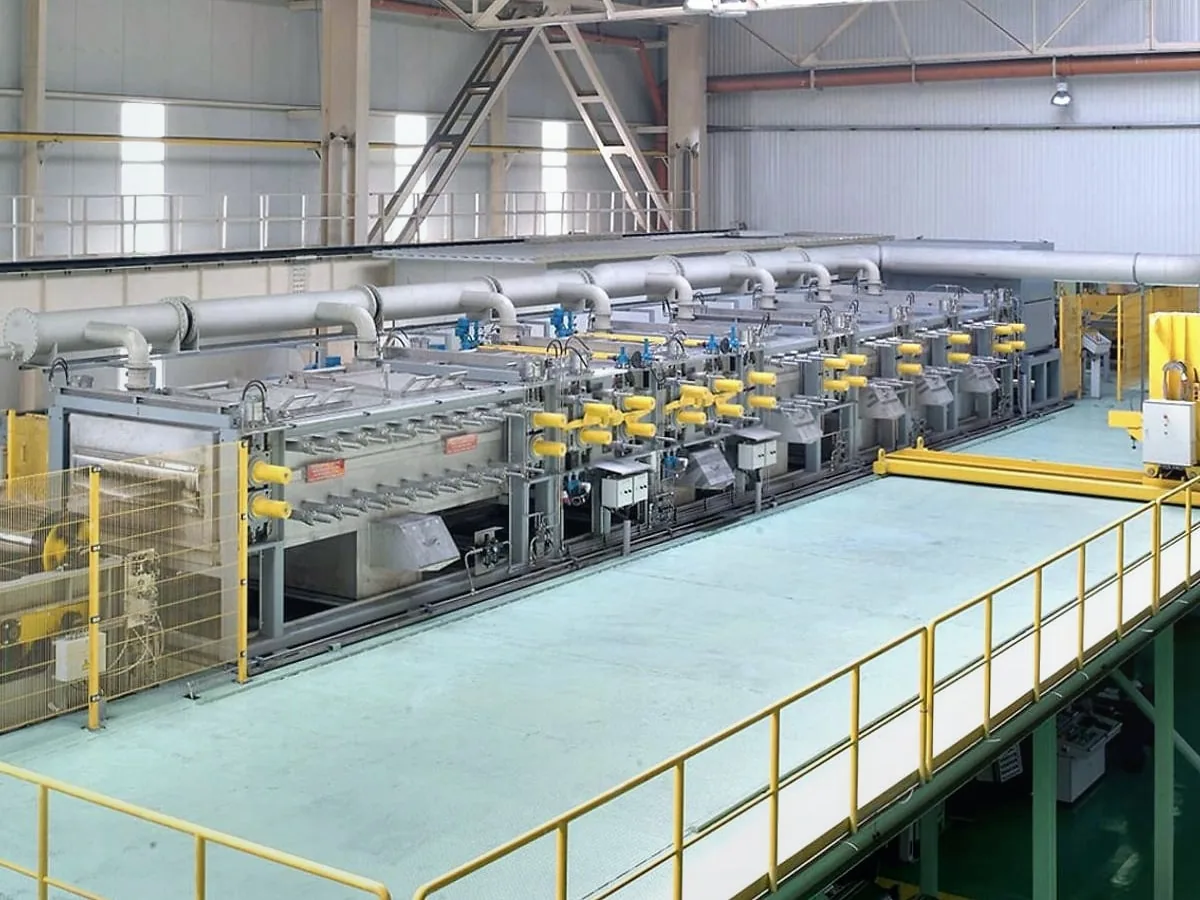
Strip cleaning before annealing
A line that removes rolling oil, emulsion and fines ahead of annealing begins from material, width, thickness range and line speed. The process modules — degreasing, brushing, rinsing, squeeze rolls and hot-air drying — are matched to the strip. Oil type and the cleanliness target are defined during the RFQ.
Discuss a similar project →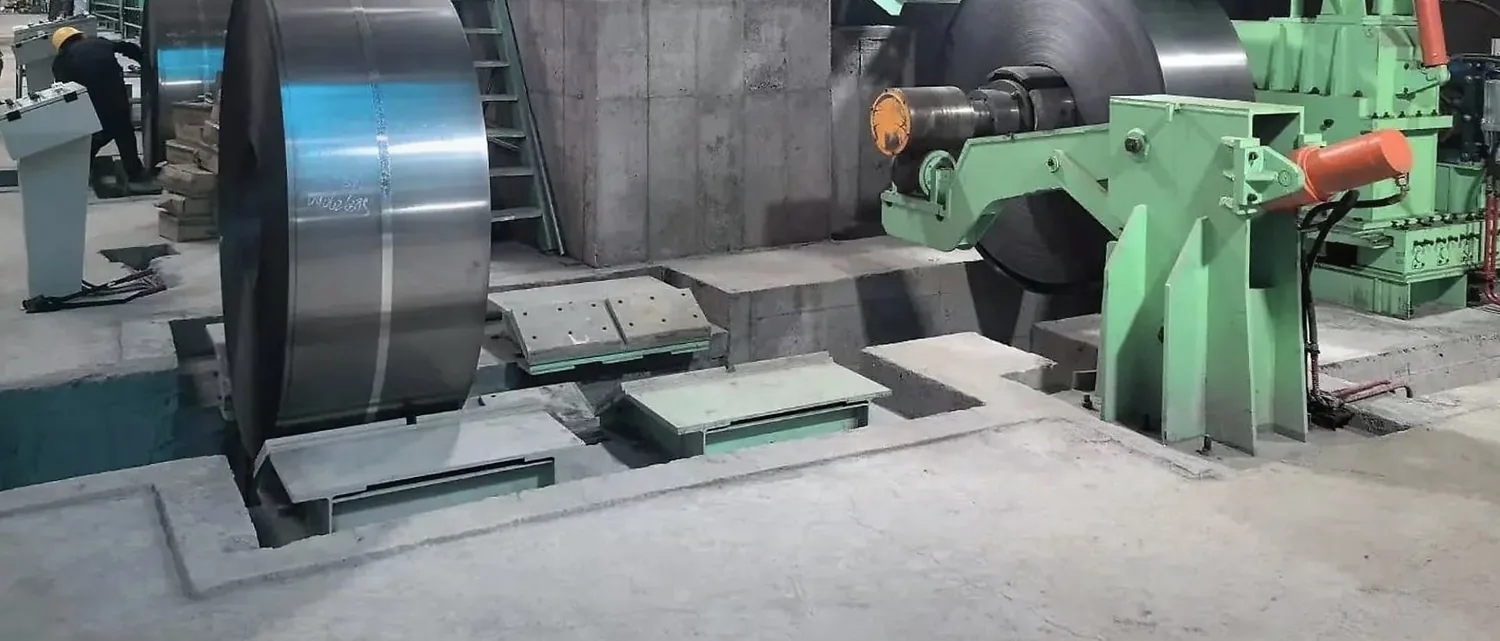
Steel coil slitting line configuration
A slitting project begins from coil material, strip width, thickness and the slit widths to be produced. From thin gauge at higher speed through to heavy gauge, JINYE specifies the uncoiler, rotary shear, tension stand and recoiler around the duty. Coil weight, strip count and blade specification are confirmed at engineering review.
Discuss a similar project →
Annealing & processing line integration
A turnkey project connects rolling, cleaning, annealing, tension leveling and slitting into a single flow. It begins from the process route, the throughput target and the interfaces between stages. JINYE engineers the line so that gauge and flatness hold from one stage to the next, with the integration scope confirmed at engineering review.
Discuss a similar project →Typical project indicators
The figures below are reference targets, not guarantees. The result achieved on any given line depends on the material, line conditions and process route, and is confirmed against your data.
Every project begins with parameters
Before any configuration is proposed, JINYE works through three sets of inputs. The more precisely these are defined, the sooner the right line can be recommended.
Material & specification
Grade, incoming and target thickness, strip width, surface condition and tolerance requirements. These inputs determine the equipment family and the precision engineered into the line.
Process & capacity
Process route, line speed, throughput target and the upstream and downstream stages the line connects to. These inputs size the line and define its automation scope.
Plant & interfaces
Plant layout, utilities, coil handling and the interfaces to existing equipment. These inputs fix the mechanical, electrical and integration scope confirmed at RFQ.
Tell us about your project.
Send your material grade, strip width, thickness, coil weight, line speed and process route. We will review it under NDA where required and develop a configuration with you — typically within one business day.